
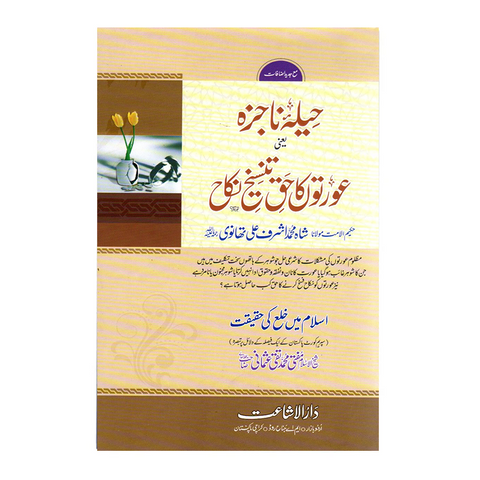
حیلہ ناجزہ
ABOUT THE BOOK
This book addresses one of the most sensitive and important issues in Islamic family law: a woman’s right to separation in situations of hardship and oppression.
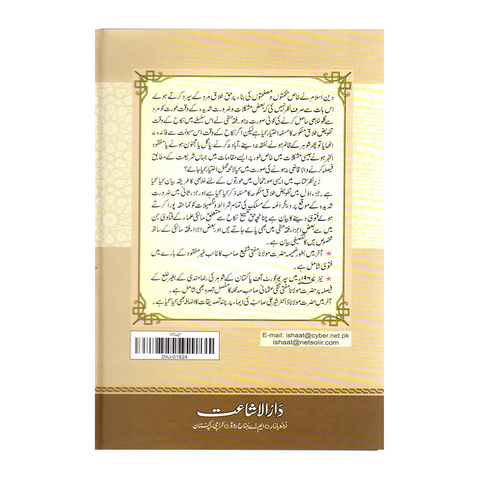
While Islam grants the right of ṭalāq (divorce) to the husband, it does not leave women without solutions in cases of genuine need. The book explains, with strong scholarly evidence, how Islam provides balanced alternatives such as tafwīḍ-e-ṭalāq (delegated divorce) and other Sharīʿah-based remedies when a marriage becomes unbearable.
The author discusses real-world scenarios where a woman may face cruelty, denial of maintenance, physical abuse, expulsion from the home, or separation from her children—especially in regions where access to a qualified Qāḍī (Islamic judge) is limited. In such circumstances, the book explores Sharīʿah-compliant pathways for seeking separation, grounded in classical jurisprudence.
The work is divided into structured responses:
-
A model framework for tafwīḍ-e-ṭalāq that can be stipulated at the time of nikāḥ
-
A detailed discussion of necessity-based rulings, supported by fatāwā from scholars across different schools of Islamic law
-
An examination of tafrīq (judicial separation) and related legal precedents
As a valuable supplement, the book includes:
-
An oral statement of Mufti Shafi (رحمه الله) regarding an unpublished work on the subject
-
A detailed scholarly commentary on a 1992 decision issued under the Government of Pakistan’s guidance department
-
Additional clarifications by Mufti Muhammad Taqi Usmani, providing contemporary insight and legal precision
This book is an essential resource for:
-
Students of Islamic jurisprudence
-
Scholars and muftis
-
Marriage counsellors and nikāḥ registrars
-
Anyone seeking a clear, authentic Islamic understanding of women’s rights in marriage
